
Essential Equipment for Mountaineering: Complete Guide to Mountaineering Gear in India
Mountaineering is an exciting adventure, but reaching the mountains with essential equipment for mountaineering is just as important as having the courage to climb them. Whether you are planning your first Himalayan trek, preparing for a technical climb, or joining an expedition, choosing the right essential equipment for mountaineering can make a significant difference to your safety, comfort, and overall experience.
This guide covers the essential equipment for mountaineering, from clothing and footwear to climbing equipment, navigation tools, personal protection, and expedition essentials. We will also explain what to consider when buying basic mountaineering gear in India.
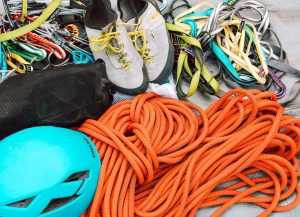
Why Choosing the Right Essential
Equipment for Mountaineering Matters.
Mountain environments can change quickly. Cold temperatures, strong winds, rain, snow, altitude, rocky terrain, and limited access to supplies can make even a relatively straightforward expedition challenging.
Good-quality equipment helps you:
- Stay warm and dry in changing weather
- Protect yourself from cold and wind
- Move safely across difficult terrain
- Carry essential supplies efficiently
- Reduce the risk of equipment-related problems
- Stay comfortable during long climbing days
- Be better prepared for unexpected situations
The right gear does not guarantee a safe expedition, but the wrong gear can make a difficult situation considerably more dangerous.
Essential Equipment for Mountaineering List:
What Do You Really Need?
Your exact equipment requirements depend on the mountain, season, altitude, route, weather conditions, and type of expedition. However, the following categories form a useful essential equipment for mountaineering list for most mountaineering adventures.
1. Mountaineering Boots
Proper footwear is one of the most important investments you can make.
Mountaineering boots should provide:
- Good ankle support
- Reliable grip
- Protection from rocks and snow
- Adequate insulation for the expected conditions
- Compatibility with the crampons required for your climb
Avoid choosing boots simply because they look rugged. Fit, comfort, insulation, waterproofing, and compatibility with your climbing equipment are much more important.
2. Layering System and Technical Clothing
Mountain weather can change rapidly, so wearing several layers is generally more practical than relying on one heavy jacket.
A basic layering system normally includes:
Base layer: Helps manage moisture and sweat.
Mid layer: Provides insulation and retains body heat.
Outer layer: Protects you against wind, rain, and snow.
Depending on the expedition, you may also need an insulated down or synthetic jacket, waterproof trousers, gloves, a warm hat, and additional cold-weather accessories.
Cotton clothing is generally not the best choice for demanding cold-weather activities because it can retain moisture and lose insulating ability when wet.
3. Helmet
A climbing helmet helps protect your head from falling rocks, ice, equipment impacts, and accidental falls.
Choose a certified climbing helmet designed specifically for mountaineering or climbing. It should fit securely without being uncomfortable and should remain stable while you move.
4. Crampons
Crampons provide traction when travelling over snow and ice.
The correct crampon depends on the terrain and the boots you are using. Some are designed for general mountaineering, while others are intended for more technical climbing.
Always make sure your crampons are compatible with your boots before starting an expedition.
5. Ice Axe
An ice axe is another important piece of mountaineering equipment for snow and ice routes.
Depending on the terrain and climbing technique, an ice axe can assist with:
- Balance
- Stability
- Snow travel
- Self-arrest techniques
- Technical climbing
Using an ice axe effectively requires proper training. Carrying one without knowing how to use it does not make an expedition safer.
6. Climbing Harness and Rope Equipment
For technical climbs and routes involving roped travel, a suitable climbing harness and rope system may be essential.
Depending on the expedition, equipment can include:
- Climbing harness
- Dynamic or static ropes as appropriate
- Carabiners
- Slings
- Belay device
- Ascenders
- Descenders
- Prusik cords
- Protection equipment appropriate to the route
The exact equipment should be determined by the route, climbing method, and guidance of qualified climbing professionals.
7. Backpack
A mountaineering backpack needs to balance capacity, durability, comfort, and weight.
Your backpack should allow you to organize equipment so that frequently needed items are easily accessible.
Consider:
- Capacity
- Adjustable suspension system
- Hip belt
- External attachment points
- Water resistance
- Durability
- Weight
For longer expeditions, you may require a larger pack, while shorter climbs may require considerably less carrying capacity.
8. Navigation Equipment
Navigation is an important part of mountain safety.
Depending on the route, your navigation equipment may include:
- Detailed topographic maps
- Compass
- GPS device
- Smartphone with offline maps
- Spare batteries or power bank
Never depend entirely on your phone. Cold temperatures can affect battery performance, and electronic devices can fail.
9. Headlamp
A headlamp is a small but extremely important item.
You may begin climbing before sunrise, arrive at camp after dark, or experience an unexpected delay. A reliable headlamp gives you hands-free lighting when you need it most.
Always carry spare batteries or an alternative power source.
10. Sleeping System and Shelter
For multi-day expeditions, your sleeping system becomes an essential part of your equipment.
Depending on the conditions, this can include:
- Four-season or expedition tent
- Suitable sleeping bag
- Sleeping mat
- Tent footprint where appropriate
- Pillow or compact sleeping support
Your sleeping bag should be selected according to the expected temperatures rather than simply choosing the lightest option.
11. Water and Hydration Equipment
Staying hydrated is essential during mountain activities.
Carry an appropriate water bottle or hydration system and consider the availability of water along your route.
Depending on the expedition, you may also need:
- Water purification tablets
- Water filters
- Insulated bottles
- Hydration reservoir
- Snow-melting equipment
At higher altitudes, maintaining regular hydration becomes particularly important.
12. First-Aid and Personal Safety Equipment
A compact first-aid kit should be part of your expedition equipment.
A basic kit may include:
- Adhesive bandages
- Gauze
- Medical tape
- Antiseptic supplies
- Blister treatment
- Elastic bandage
- Personal medications
- Emergency blanket
Your first-aid equipment should be appropriate for the size, duration, and remoteness of your expedition.
For serious expeditions, emergency communication and rescue planning are equally important.
Basic Mountaineering Gear for Beginners
If you are new to mountaineering, it is easy to become overwhelmed by the huge number of products available.
You do not necessarily need to purchase every piece of technical equipment immediately.
For beginners, basic mountaineering gear can include:
- Proper mountaineering footwear
- Technical clothing layers
- Waterproof jacket and trousers
- Warm gloves and headwear
- Backpack
- Headlamp
- Navigation equipment
- Water bottle or hydration system
- Personal first-aid kit
- Appropriate sleeping equipment for overnight trips
Technical climbing equipment should be purchased according to your actual route and training rather than simply following a generic shopping list.
How to Choose Mountaineering Gear in India
India offers a wide range of essential equipment for mountaineering for outdoor and mountain climbing products, but price should not be the only factor when choosing equipment.
Before purchasing, consider the following:
Check the Intended Use
A product designed for casual trekking may not be appropriate for a technical Himalayan expedition.
Always check what conditions the mountain climbing equipment is designed to handle.
Check Specifications
Look carefully at specifications such as:
- Temperature ratings
- Waterproofing
- Weight
- Material
- Load capacity
- Certification
- Compatibility with other equipment
Prioritize Tested Equipment
For serious expeditions, equipment should ideally have a proven track record and be tested in conditions similar to those in which you intend to use it.
A cheaper product is not necessarily a better deal if it fails when you need it most.
Consider Weight
Every additional kilogram matters when you are climbing at altitude.
Look for equipment that provides an appropriate balance between durability, performance, and weight.
Test Your Gear Before the Expedition
Never wait until expedition day to discover that your boots cause blisters, your gloves do not fit properly, or your backpack is uncomfortable.
Use your equipment beforehand and learn how everything works.
Mountaineering Equipment and Self-Care During an Expedition
Equipment is only one part of expedition preparation. Taking care of yourself is equally important.
Listen to your body, stay hydrated, eat properly, protect yourself from the weather, and maintain an appropriate pace.
At high altitude, do not ignore symptoms such as unusual headaches, severe weakness, confusion, breathing difficulties, or loss of coordination. Altitude-related illness can become serious, and appropriate descent and professional medical guidance may be necessary.
Good preparation also means knowing when to turn around. Reaching the summit should never be more important than returning safely.
Build Your Mountaineering Gear Around Your Expedition
There is no single universal mountain climbing equipment list that works for every climb.
A summer trek in a lower Himalayan region will have very different requirements from a winter expedition or a technical high-altitude climb.
Before buying equipment, consider:
Mountain → Route → Season → Altitude → Weather → Technical difficulty → Duration → Personal requirements
Once you understand these factors, it becomes much easier to identify the equipment you actually need.
Final Thoughts
Choosing the right essential equipment for mountaineering is an important part of preparing for any climbing expedition. From boots and clothing to helmets, crampons, navigation equipment, shelter, hydration, and emergency supplies, every item should have a clear purpose.
For beginners, start with reliable basic mountaineering gear and gradually build your equipment as your experience and climbing objectives grow.
For serious expeditions, focus on tested, dependable equipment rather than simply choosing the cheapest option.
The mountains will always demand respect. Proper preparation, suitable equipment, good physical conditioning, responsible decision-making, and appropriate training can help you enjoy the experience while improving your chances of returning safely.
Before your next expedition, research your route carefully, check the expected conditions, test your equipment, and make safety your first priority.