
Essential equipment for mountaineering.
Conquering high-altitude peaks is one of the most rewarding physical and mental challenges an adventurer
can undertake. However, the line between an exhilarating expedition and a dangerous situation often comes
down to your preparation, gear selection and essential equipment for mountaineering . Harsh alpine environments, volatile weather shifts, and steep icy terrain require uncompromised equipment designed to keep you warm, safe, and mobile.
>Whether you are preparing for your first alpine ascent or brushing up on technical gear requirements for an
unguided expedition, this ultimate mountaineering essentials checklist covers every item you need to pack
for a safe summit.
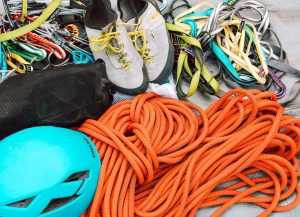
1. Layering & Technical Clothing.
In high-altitude mountaineering, managing body temperature and moisture is critical to preventing hypothermia
and frostbite.
Base Layer (Moisture Management): Synthetic or merino wool top and bottoms. Merino wool provides
natural temperature regulation and odor resistance, keeping sweat off your skin during intense ascents.
Insulating Mid-Layer: A breathable fleece jacket or lightweight synthetic grid hoodie. This traps warm air
near your body while allowing excess body heat to vent during active climbing.
Outer Shell Layer (Hardshell): Fully waterproof, windproof, and breathable jacket and pants (e.g., Gore-
Tex Pro). Your outer shell acts as your primary defense against biting alpine winds, heavy snowfall, and
rain.Headwear: Thermal fleece beanie, neck gaiter/buff, and a UV-blocking glacier cap.
2. Technical Alpine & Ice Climbing Gear.
Technical gear varies based on terrain grade and glaciers involved, but basic mountaineering requires reliable
safety hardware designed for snow, ice, and rock navigation.
3. Alpine Shelter & High-Altitude Camp Gear.
When staying overnight on glaciers or high ridges, your camp setup must withstand heavy snow loads and
fierce winds.
4-Season Tent:
Sturdy geodesic dome structure with heavy-duty aluminum poles, reinforced guy lines,
and steep walls to shed snow effectively.
Category Essential Equipment Primary Function
Footwear Rigid Mountaineering Boots
Provides ankle support, thermal insulation, and stiff sole
compatibility for crampons.
Traction 12-Point Steel Crampons
Grips firm ice and steep hard-pack snow. Must match boot binding
style (automatic or semi-automatic).
Axe & Tools Straight-Shaft Ice Axe
Used for self-arrest during falls, balance on slopes, and cutting
step holds.
Sleeping System: Winter sleeping bag rated to at least -15°C to -30°C (depending on peak elevation)
paired with dual sleeping pads—a closed-cell foam pad underneath an insulated inflatable pad (R-value
5.0+ total) to block ground freeze.
>Liquid Fuel Stove: White gas or multi-fuel liquid stoves perform significantly better than standard canister
stoves in extreme cold and high altitude when melting snow for water.
Hydration & Food: Insulated wide-mouth water bottles (hydration bladders freeze in hoses) and calorie-
dense, freeze-dried high-altitude meals.
5. Navigation, Electronics & Emergency Safety.
Mountain weather turns rapidly, making route-finding and communication tools vital to your survival checklist.
>Navigation: Handheld GPS unit pre-loaded with topographical maps, paired with a physical waterproof
map and magnetic compass as a zero-battery backup.
>Satellite Communicator: Satellite messenger (e.g., Garmin inReach or ZOLEO) with continuous tracking
capabilities and two-way SOS signaling.
>Illumination: High-lumen headlamp (350+ lumens) with extra lithium batteries (lithium holds charge longer
in cold weather).
>First Aid & Altitude Care: Comprehensive wilderness medical kit, athletic tape, blister treatments
(Compeed), hand warmers, and essential medications (Acetazolamide/Diamox for AMS, Ibuprofen, and
antibiotics).
Pingback: Mountaineering Essentials Products | Expedition Gear - My Blog